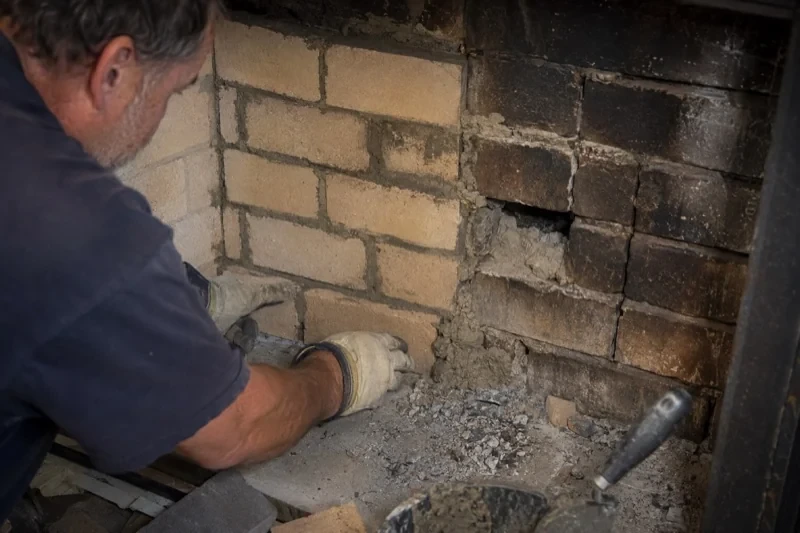
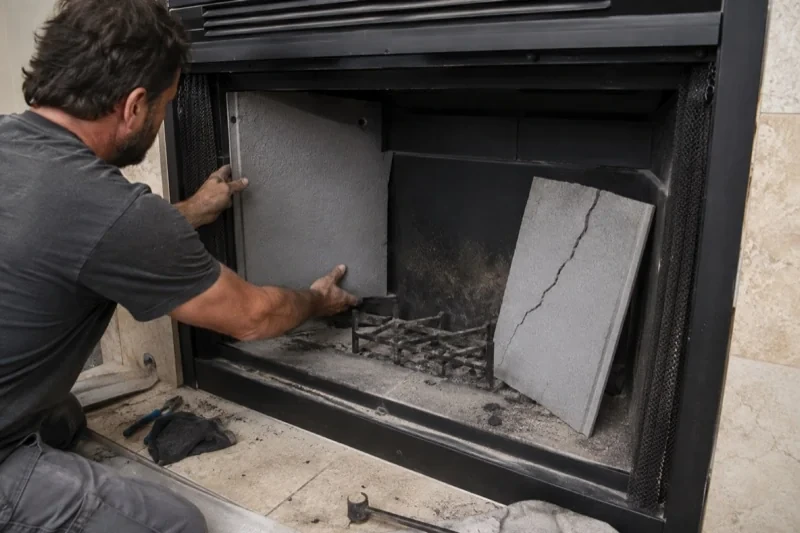
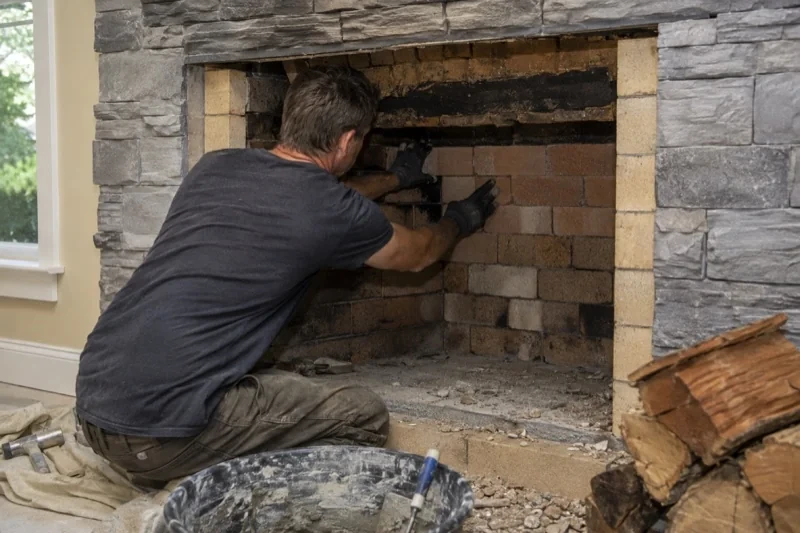
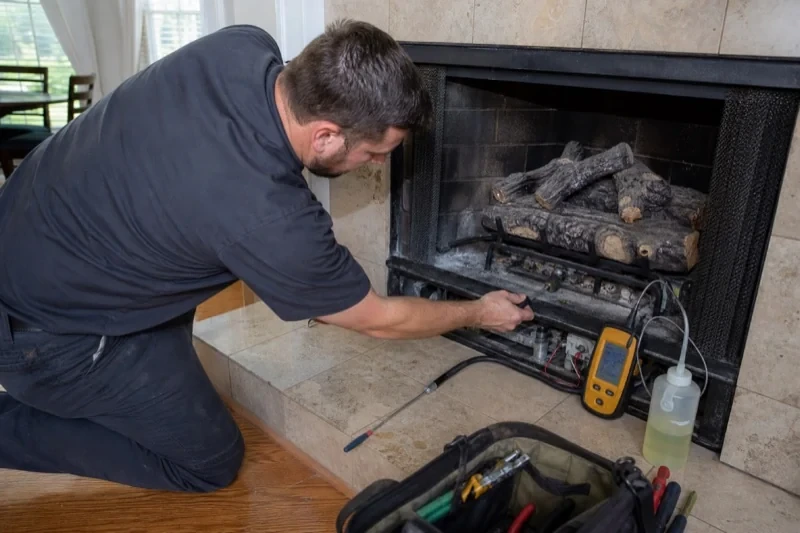
 Service illustration · not a completed customer project
THE WORK, EXPLAINED
Start with the condition.
Understand the scope.
Identify the appliance and describe the operating concern. Ask which model-specific inspection or service tasks are proposed, who is responsible for any separate gas-supply or venting work, and how findings and completion checks will be documented.
What may be involved
- inspection tools
- manufacturer-compatible parts
- written findings
Ask the provider to distinguish existing parts to inspect, proposed replacements, and tools, materials or reports included in the service. Confirm the work and exclusions after assessment; this list does not mean that every item will be supplied or replaced.
LOCAL RESEARCH / Longwood
Local context
The U.S. Fire Administration's heating fire safety guidance is to maintain heating equipment and chimneys by having them cleaned and inspected each year by a professional. That is a national prevention recommendation about maintenance intervals, not a local code requirement and not a finding about a particular flue. Ask what an inspection would actually cover, what would be documented, and what a report would say about the condition found.
Source ↗Planning your work
A Florida law effective 1 July 2026 requires local governments to exempt work on single-family residential property valued at $7,500 or less from the building permit requirement, but the exemption excludes any electrical, plumbing, structural, mechanical or gas work and does not apply in flood hazard areas. Much chimney, flue and fireplace work falls into one of those excluded categories, so the exemption is narrower than it first reads. Longwood is in Seminole County; confirm with the county or city building department which office reviews the address and what it now asks for.
Source ↗Area-wide context does not establish the condition of your property or equipment.
Before the visit
If smoke is entering the room, stop using the fireplace and arrange an assessment.